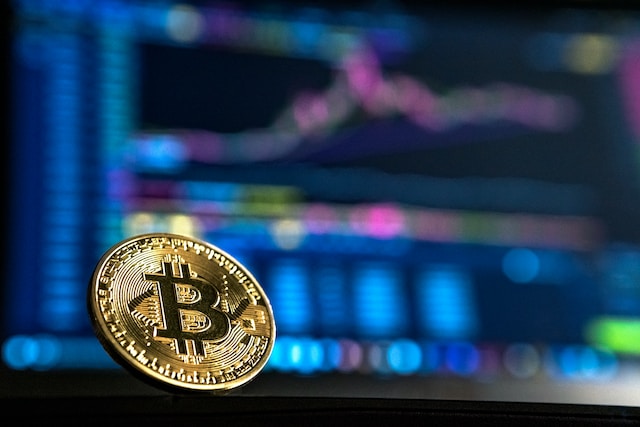
Photo by André François McKenzie on Unsplash
ExecutiveChronicles | How truly “trustless” is Bitcoin? | The concept of trustless, or the lack thereof, is an important aspect of understanding Bitcoin. Although the blockchain technology underlying the network eliminates the need for intermediaries and makes it impossible to tamper with existing transactions, users must still rely on miners to validate new transactions and check that all rules are being followed. As such, there must be some degree of trust involved in order for the system to function properly. This means that users must have trust in both miners and developers who create and maintain the codebase upon which Bitcoin operates. Furthermore, due to its decentralized nature, anyone can become a miner or developer given they have enough computing power or knowledge – meaning that bad actors could potentially introduce malicious code into the system without any safeguards against it. bitsoft360 is one of the best platforms that can help you in gaining guidelines about bitcoin trading.
Who Do You Rely On?
Ultimately, it is up to users to decide who they trust when using Bitcoin. Although the network was designed to be trustless, there are still elements of dependence on individuals and organizations which must be acknowledged. This includes relying on miners and developers to ensure that the system remains secure, as well as exchanges and wallets in order for users to store and transfer their funds safely. It is important for users to do their own research before choosing a service provider or trusting anyone with their funds. Furthermore, users should always double-check any contracts or agreements they are making – no matter how small – just to make sure everything is correct and above board.
Trust vs. Trustless in Crypto
In summary, while Bitcoin and other cryptocurrencies can be used without the need for trusted third parties, users must still take certain precautions in order to ensure their funds are secure. This means that trust is still a crucial element of using cryptocurrency, even if it’s not always explicit or obvious. Ultimately, users must decide who they trust and make sure that all their transactions are done safely. With this in mind, it is possible to use Bitcoin in a truly trustless manner – as long as proper measures are taken by users and providers alike.
Trustless Crypto Wallets
For those looking for a truly trustless way to store and use their cryptocurrency, there are several options available. Trustless wallets, such as hardware and software wallets, allow users to have complete control over their funds by removing the need for them to rely on third-party services. Furthermore, many of these types of wallets also offer additional features such as multi-signature authentication which further increases the security of user funds. While using a trustless wallet can be more time-consuming and require users to take extra steps when making transactions, it is one of the most secure methods available – giving you full control over your funds without having to depend on anyone else. Trustless Crypto Exchanges Aside from trustless wallets, there are also trustless cryptocurrency exchanges that aim to provide users with a secure environment in which to trade their assets. These types of exchanges are decentralized and do not require users to create an account or store funds on the platform. Instead, they use smart contracts and other technologies such as atomic swaps which allow users to make transactions directly with each other without relying on any third party. Trustless exchanges can be more complicated to use than traditional ones but offer greater security and privacy for those who need it.
In conclusion, Bitcoin is often described as “trustless” due to its underlying technology; however, there are still elements of trust involved when using it.
Conclusion
While Bitcoin can be used without the need for trusting third parties, users must still take certain precautions in order to ensure their funds are secure. This includes relying on miners and developers to ensure that the system remains secure, as well as exchanges and wallets in order for users to store and transfer their funds safely. Utilizing trustless options such as hardware wallets and decentralized exchanges may also provide greater security, privacy, and control over one’s funds. Ultimately, it is up to users to decide who they trust when using Bitcoin – but taking measures to protect oneself is always recommended. By being aware of best practices regarding trust before entering into any cryptocurrency-related transactions or agreements, users can protect themselves from any potential risks associated with trusting a third party.
Photo by André François McKenzie on Unsplash